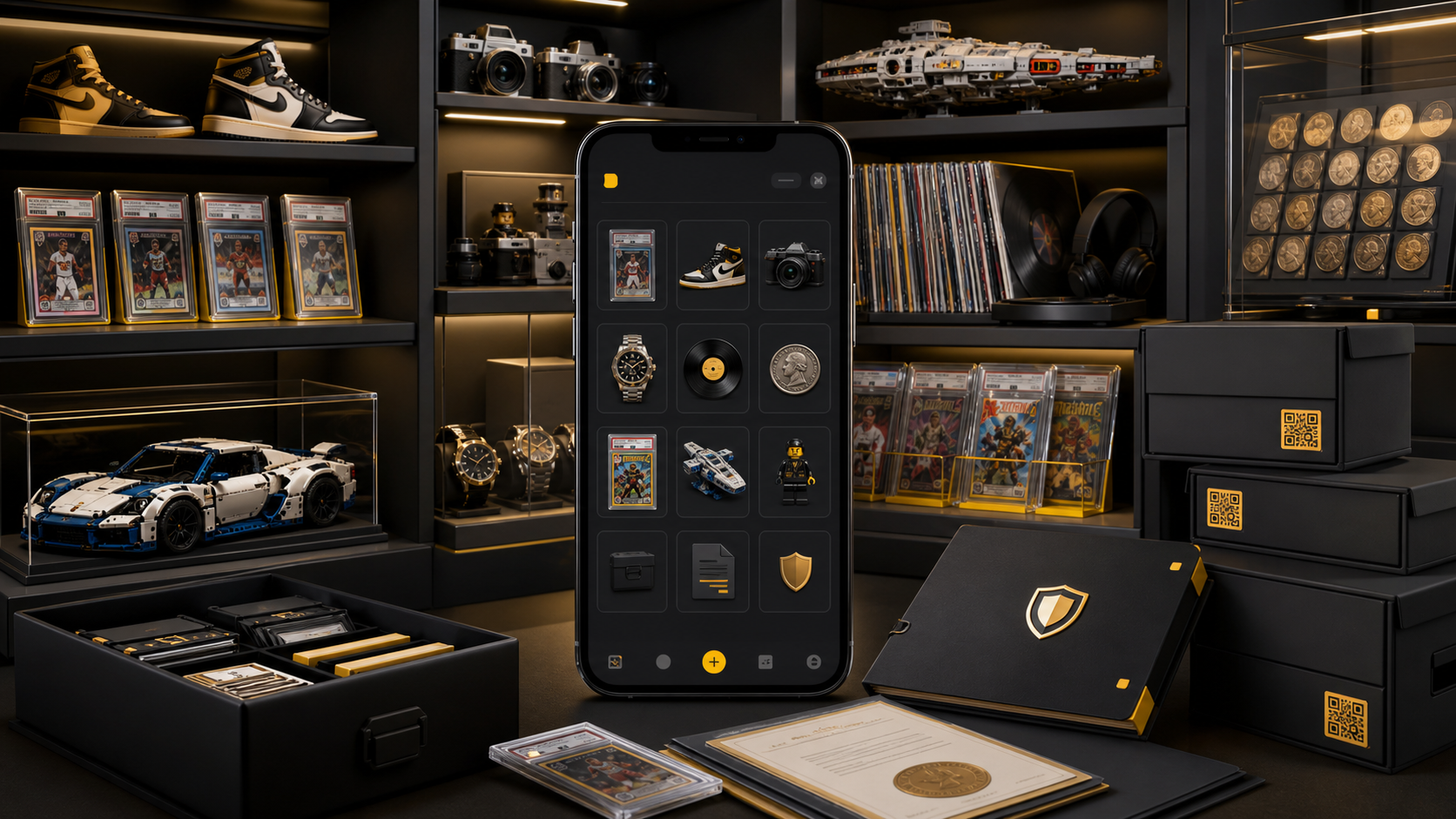
A Collection Is More Than a List
Condition, provenance, storage location, packaging, accessories, certificates, and purchase details can all matter later.
StashDog gives each item a flexible record so you can document what matters without forcing every collection into the same rigid template.
Useful When
- Your collection is split between displays, boxes, safes, closets, and storage units.
- You need records for insurance, resale, lending, or estate planning.
- You want to avoid buying duplicates.
- You want a faster alternative to a collector spreadsheet.
Where the Money Leaks
This page is built around the moments where poor visibility turns into real cost: duplicate purchases, lost assets, delayed retrieval, and records that are missing when they matter.
- Receipts, authenticity records, condition notes, and purchase history get separated from the item.
- Insurance and estate documentation is weak when the collection only lives in memory.
- Duplicate purchases happen when variants, sizes, issues, or models are hard to verify.
- Selling or lending items is riskier without a clear photo-backed record.
Setup Workflow
- Start with the most valuable, hardest-to-replace, or easiest-to-forget part of the collection.
- Add photos, condition notes, purchase details, storage location, and provenance context.
- Use QR labels for boxes, display cases, binders, shelves, safes, and storage bins.
- Refresh notes when you buy, sell, trade, insure, grade, lend, or move items.
What to Track First
The fastest StashDog setup is not a perfect inventory. It is a useful inventory that starts with the items most likely to cost time, money, or stress when they go missing.
- High-value items that would be expensive to replace.
- Items stored away from daily view in bins, closets, garages, or storage units.
- Documents, receipts, warranties, serial numbers, or manuals tied to physical items.
- Shared items that other people ask about or need to find without you.
Choosing a Tool for collectors
| Option | Works When | Breaks When |
|---|---|---|
| Memory | Only one person owns the items and the inventory is tiny. | Items move, helpers need access, or replacement cost matters. |
| Spreadsheet | You mostly need a simple list and can keep it updated manually. | Photos, documents, containers, and shared retrieval become the real work. |
| StashDog | You need searchable photos, locations, tags, containers, documents, and sharing in one place. | You need heavy enterprise purchasing, barcode warehouse operations, or accounting-native inventory. |
How StashDog Helps
Photos
Capture what the item, box, kit, or shelf looks like before details fade.
Locations
Connect belongings to rooms, bins, units, properties, vehicles, or storage spots.
Search
Find items by what they are, where they are, or the words you remember later.
Sharing
Let the right people find shared items without turning one person into the inventory desk.
Where to Go Next
If this use case sounds close, compare the full StashDog feature set, check current pricing, or start with the download page.
Other StashDog Use Cases
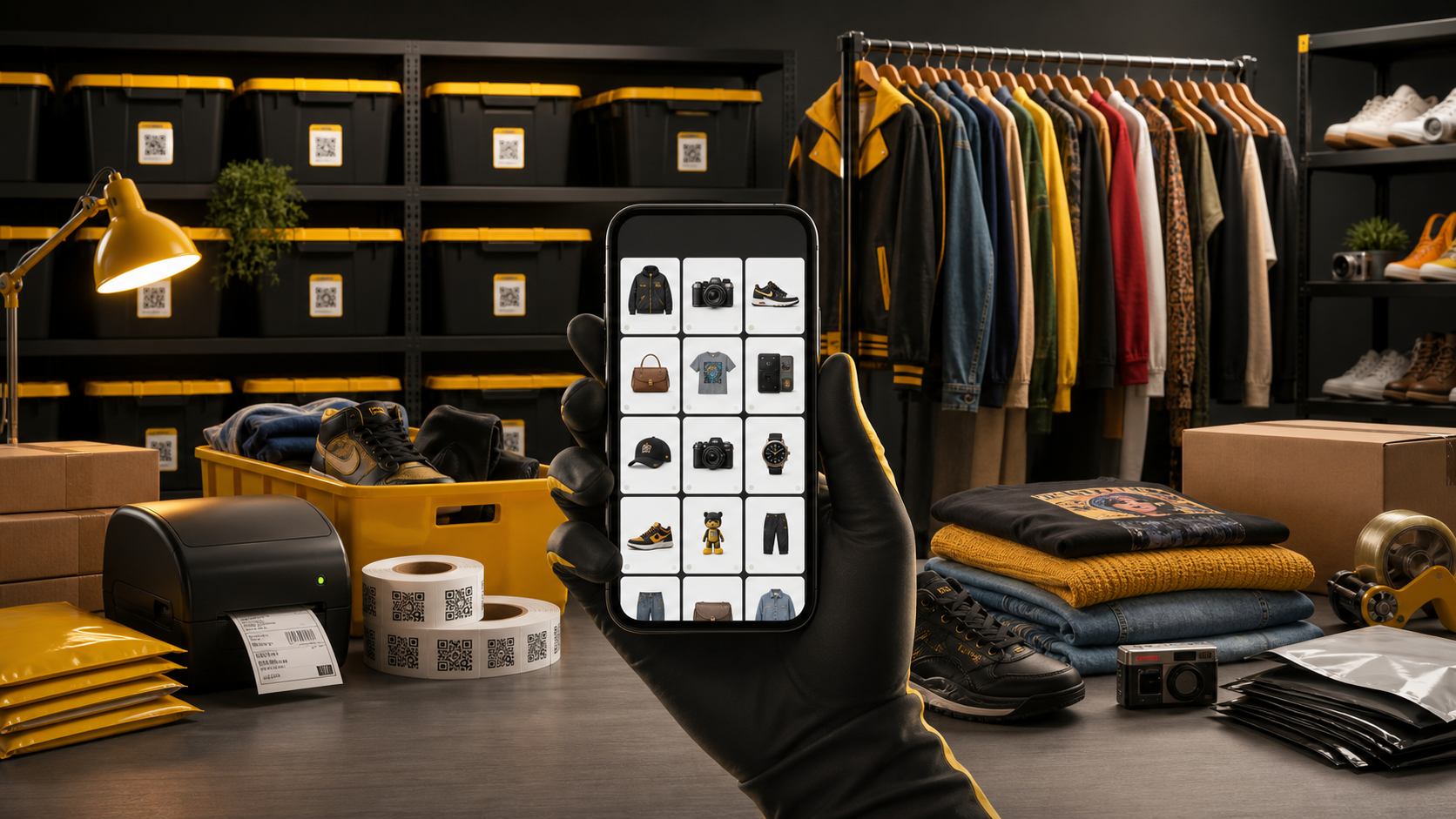 Turn your death pile into searchable, sellable inventory.
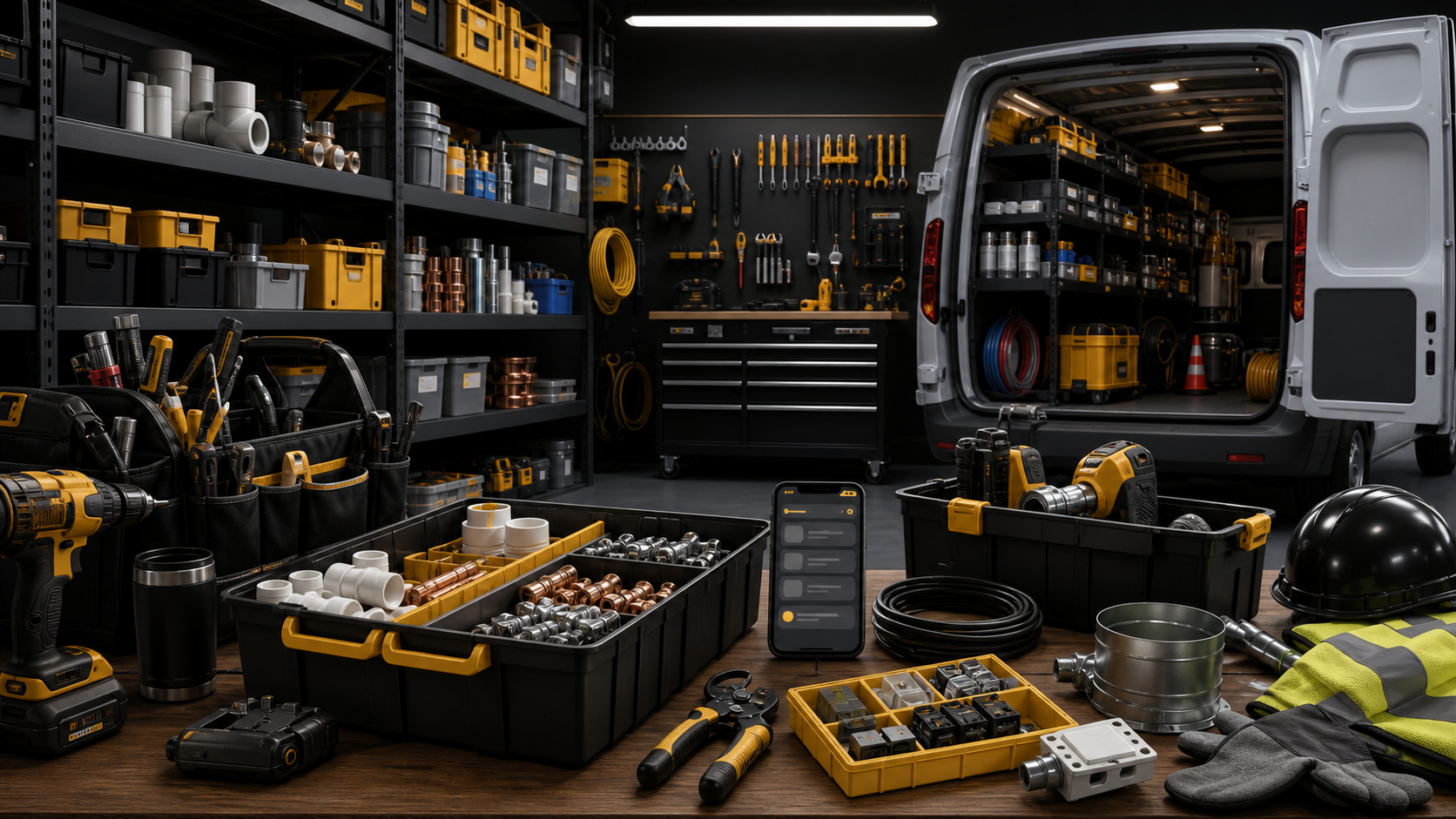 Stop rebuying tools and parts you already own.
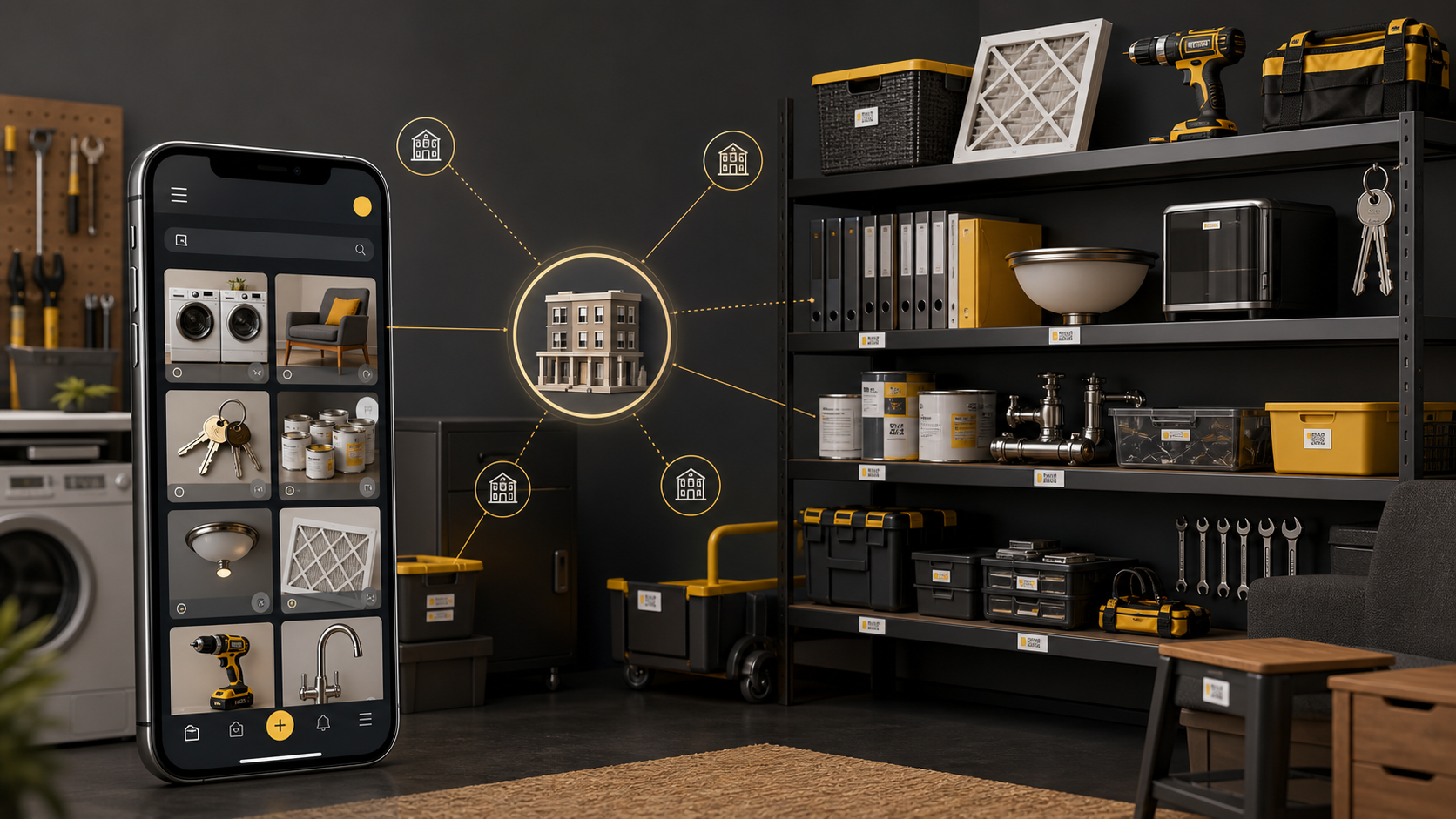 Know what is in every property, closet, garage, and storage unit.
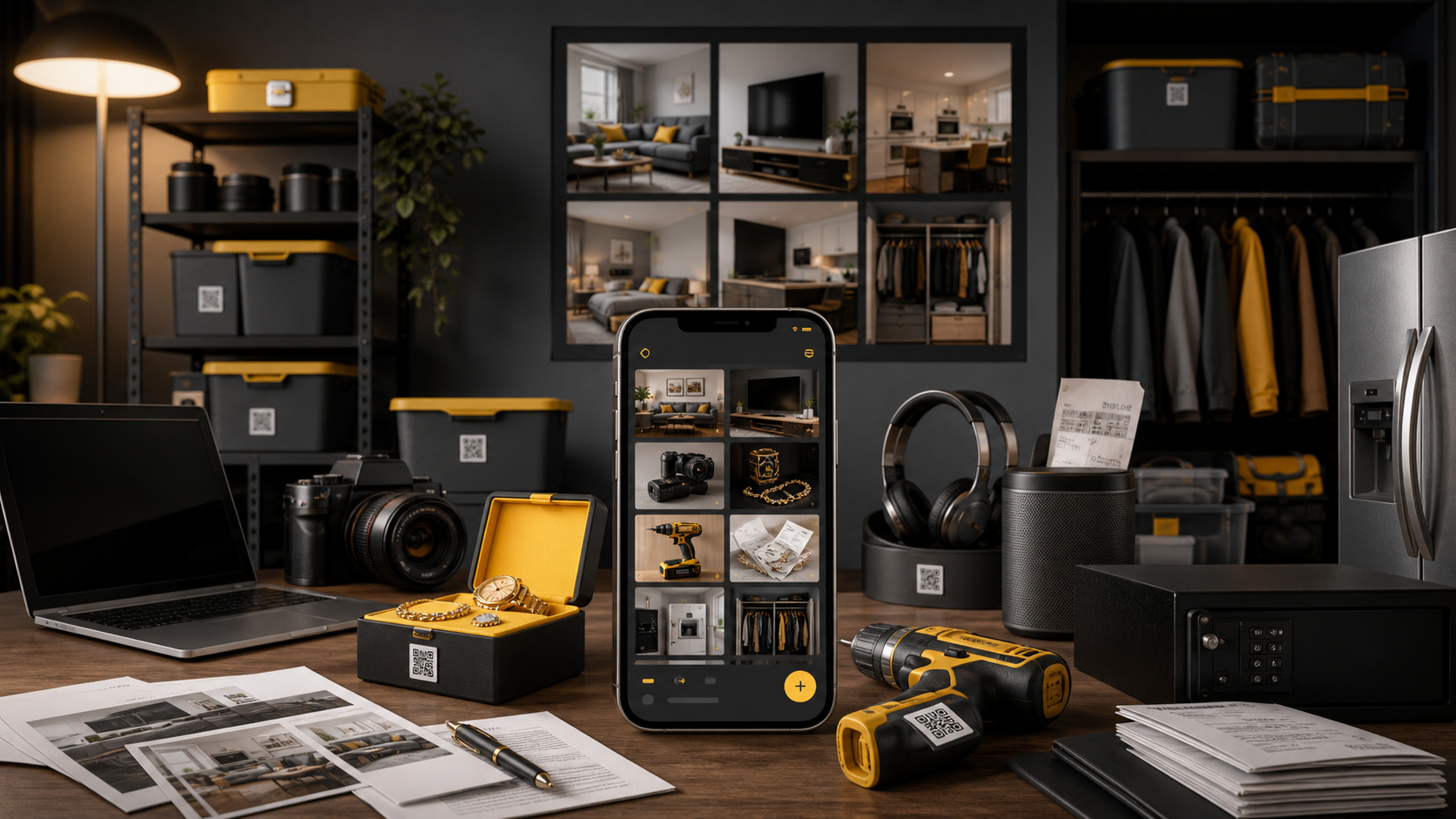 If your home disappeared tomorrow, could you prove what you owned?
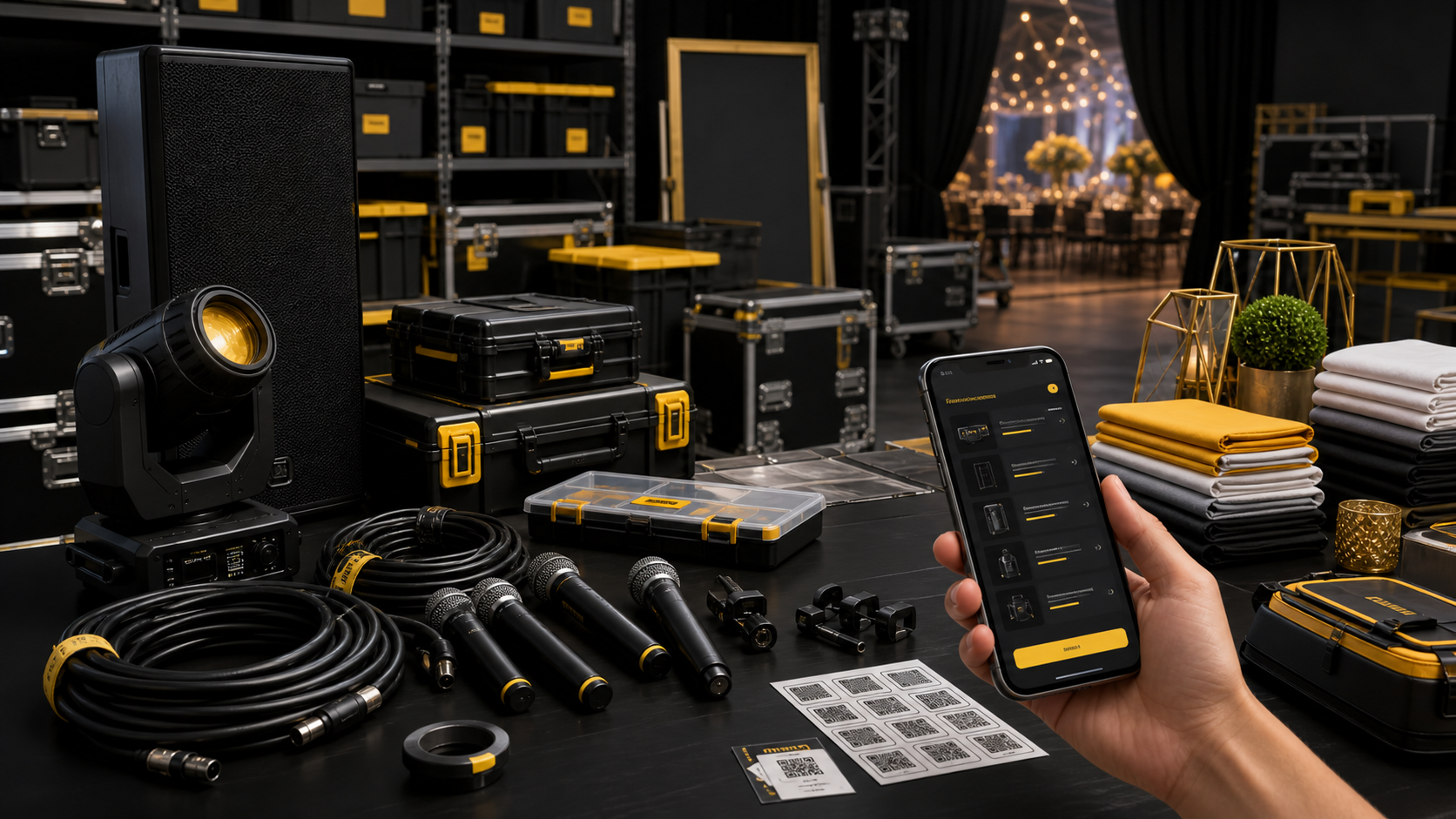 Never show up to an event missing the cable, case, linen, or prop you already own.
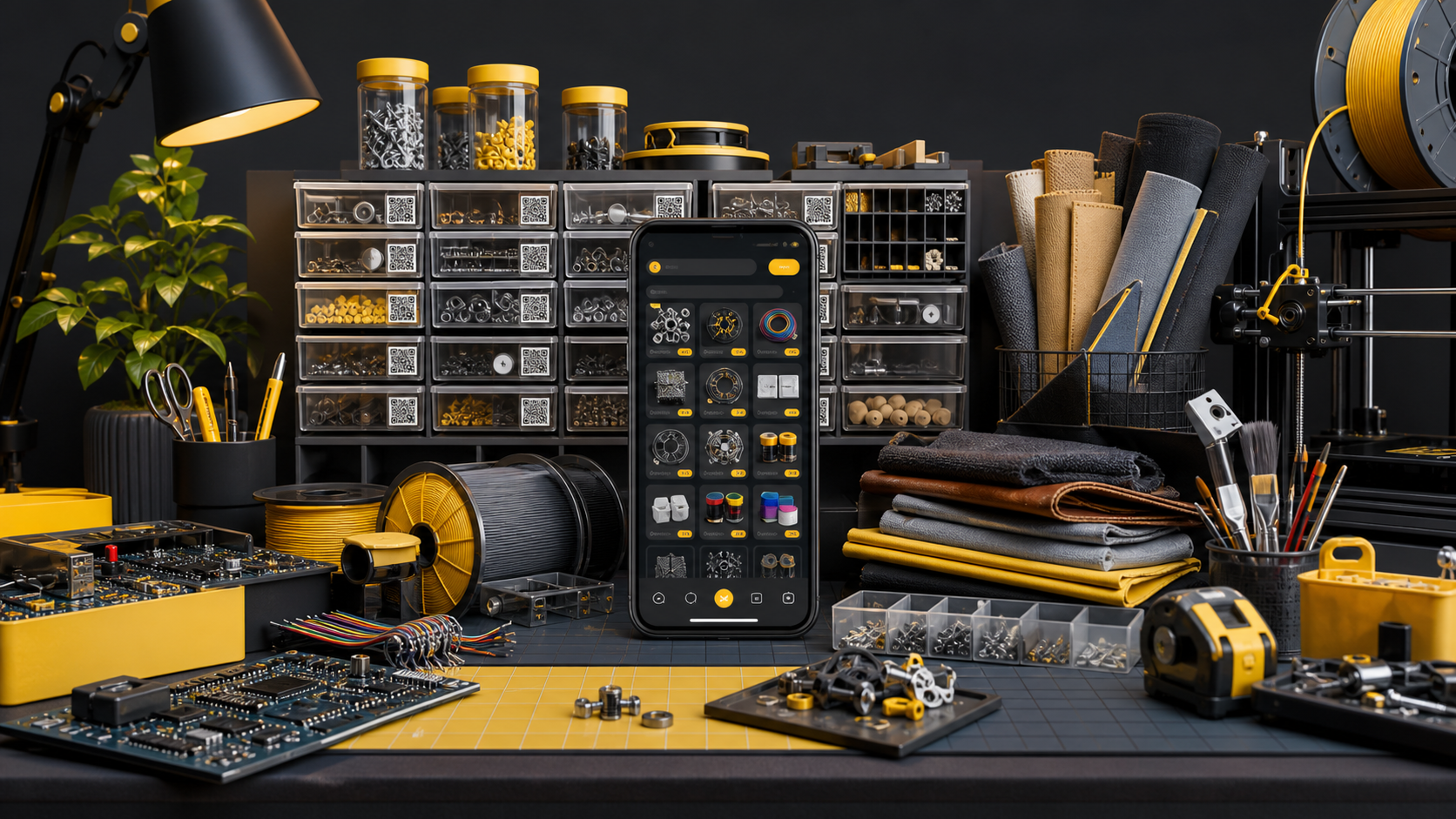 Find the part before you buy it again.