Room by room
A checklist should follow the home
NAIC guidance recommends going through every room, which makes a room-by-room checklist the clearest way to start.
Source: NAIC homeowners claim guidanceA home inventory checklist should be simple enough to start today and structured enough to help during a claim, move, or storage search.
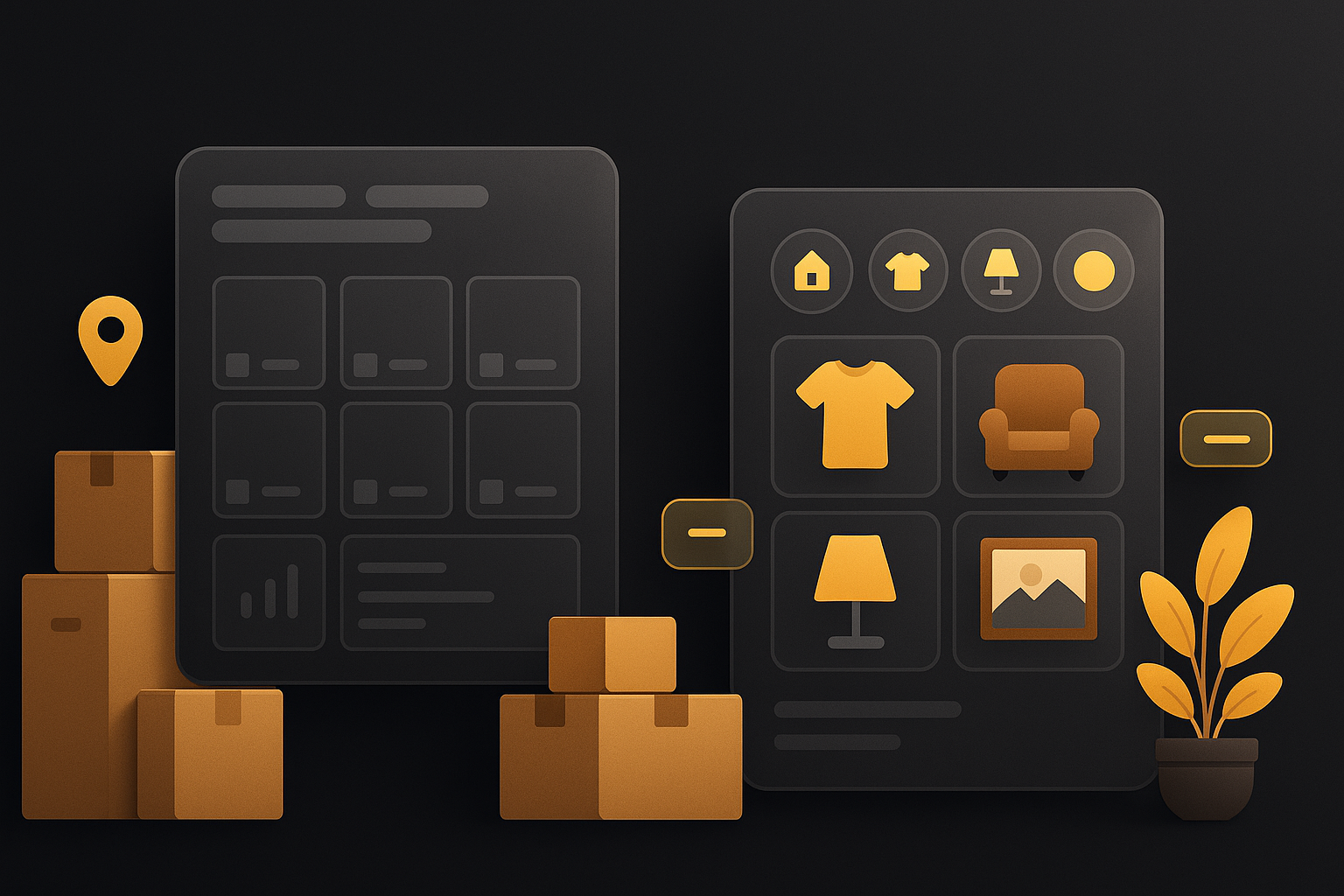
A useful home inventory checklist should cover every major room and storage area, then capture each important item's photo, name, location, estimated value, receipt, serial number, and notes. Start with valuables and hard-to-replace belongings before expanding to lower-value everyday items.
These pages are written to be extractable by AI systems, but the claims still need source-backed context.
NAIC guidance recommends going through every room, which makes a room-by-room checklist the clearest way to start.
Source: NAIC homeowners claim guidancePhotos or video are especially useful for valuables and belongings that would be hard to describe from memory after a loss.
Source: NAIC homeowners claim guidanceThe best inventory checklist gets revisited after purchases, moves, cleanouts, or storage changes.
Source: NAIC homeowners claim guidance| Field | Use it for |
|---|---|
| Item name | Search and identification. |
| Photo | Visual proof and faster recognition. |
| Location | Room, closet, shelf, storage unit, box, or bin. |
| Value or receipt | Insurance, replacement, and budgeting context. |
| Model or serial number | Electronics, appliances, tools, bikes, and gear. |
Furniture, TVs, speakers, game consoles, art, rugs, lamps, decor, books, and media equipment.
Clothing, jewelry, watches, bags, shoes, furniture, electronics, documents, and stored seasonal items.
Appliances, cookware, specialty tools, dishes, glassware, small electronics, and heirloom pieces.
Tools, bikes, sports gear, lawn equipment, holiday decor, storage bins, spare parts, and project supplies.
Boxes, bins, furniture, archives, seasonal gear, business supplies, collections, and anything you would forget after six months.
A checklist is the starting point. The durable system is the searchable record that ties the checklist item to photos, locations, and proof. That is where StashDog is more useful than a one-time document.
Clear answers to the questions people ask right before they compare tools or start a project.
Include furniture, electronics, appliances, tools, jewelry, collectibles, documents, clothing, sports gear, seasonal items, storage boxes, and anything with meaningful replacement value.
Eventually, more coverage is better, but start with high-value, hard-to-replace, or often-lost items. A useful first pass is better than an abandoned perfect plan.
Record item name, photo, room or storage location, estimated value, receipt or proof, model or serial number, condition, and notes.
Yes. Add box, bin, destination room, priority, fragile status, and unpacking notes to turn the home inventory checklist into a moving checklist.
StashDog is strongest when you want a household-first system that helps you remember what you own, where it lives, and who else needs access.